
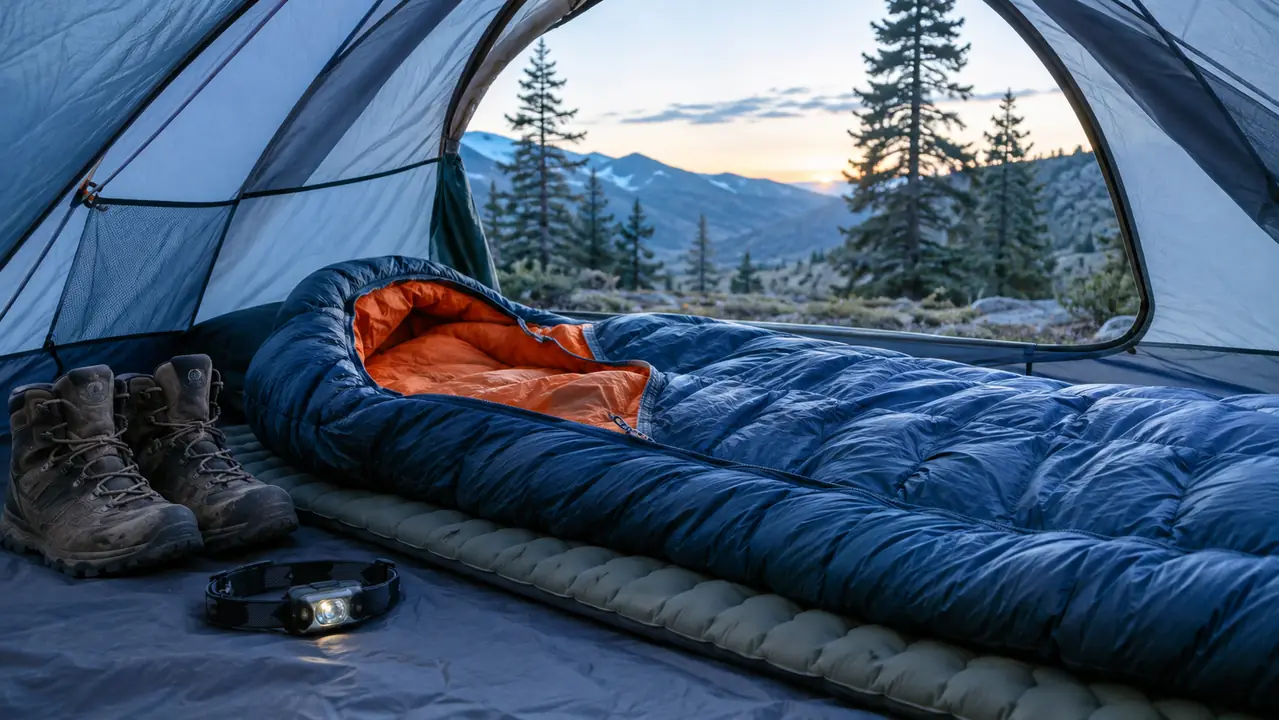
I bought the TETON Sports 20F mummy bag in the fall of 2022 for one reason. I was tired of waking at four in the morning in a cheap rectangular bag with cold shoulders and a lower back that ached for two days afterward. Four seasons later it has been up the Mirror Lake Highway in the Uintas, on the Wasatch bench above Ogden, and out near Moab on a windy spring night. I do not love this bag. I keep reaching for it, which is a different and more useful thing.
Most of what gets written about a bag like this is either a five-star note typed the week it arrived or a one-star complaint from somebody who wanted down performance out of a synthetic bag. Neither helps much. So here is the version I would want if you and I were standing in my garage looking at it together: what the number on the tag actually buys you, where the fit works for a bigger man and where it does not, what four seasons have done to the shell, and the two things about it that still irritate me every single trip.
It carries 4.4 stars across more than 5,300 ratings on Amazon, and that roughly matches my experience. Mostly good, with a stubborn minority of buyers who feel the warmth claim oversold them. I think those buyers are about half right, and I will show you exactly where.
Before this bag I went through two others. The first was a rectangular bag from a big-box store that was fine in July and useless by the end of August. The second was a borrowed down bag from my friend Ray that I was terrified to get wet, which is a stupid way to spend a night outdoors. What I wanted was something I could be careless with: a damp tent, a cold truck bed, no drama. Synthetic fill gave me that, and it is why I stopped shopping.
The Quick Verdict
A roomy three-season synthetic bag that sleeps warmer than a bargain bag and colder than the number on the label. Good for car camping and one or two night trips. Not a winter bag, and not a light one.
Amazon Check Today's Price →The bag I grab when the forecast says 30s and I still want to sleep
Synthetic fill that shrugs off damp, an 87 inch mummy cut, and a compression sack included. Check today's price and the current options on Amazon.
Amazon Check Today's Price on Amazon →How I Have Actually Used It
My trips are short now. I spend most weekdays looking after my mother, so a long weekend in the backcountry is not on the table anymore. That means the bag gets used the way most people over forty actually use a bag: two nights car camping with my wife Carla, who does not backpack, and one or two nights on foot with Ray or alone.
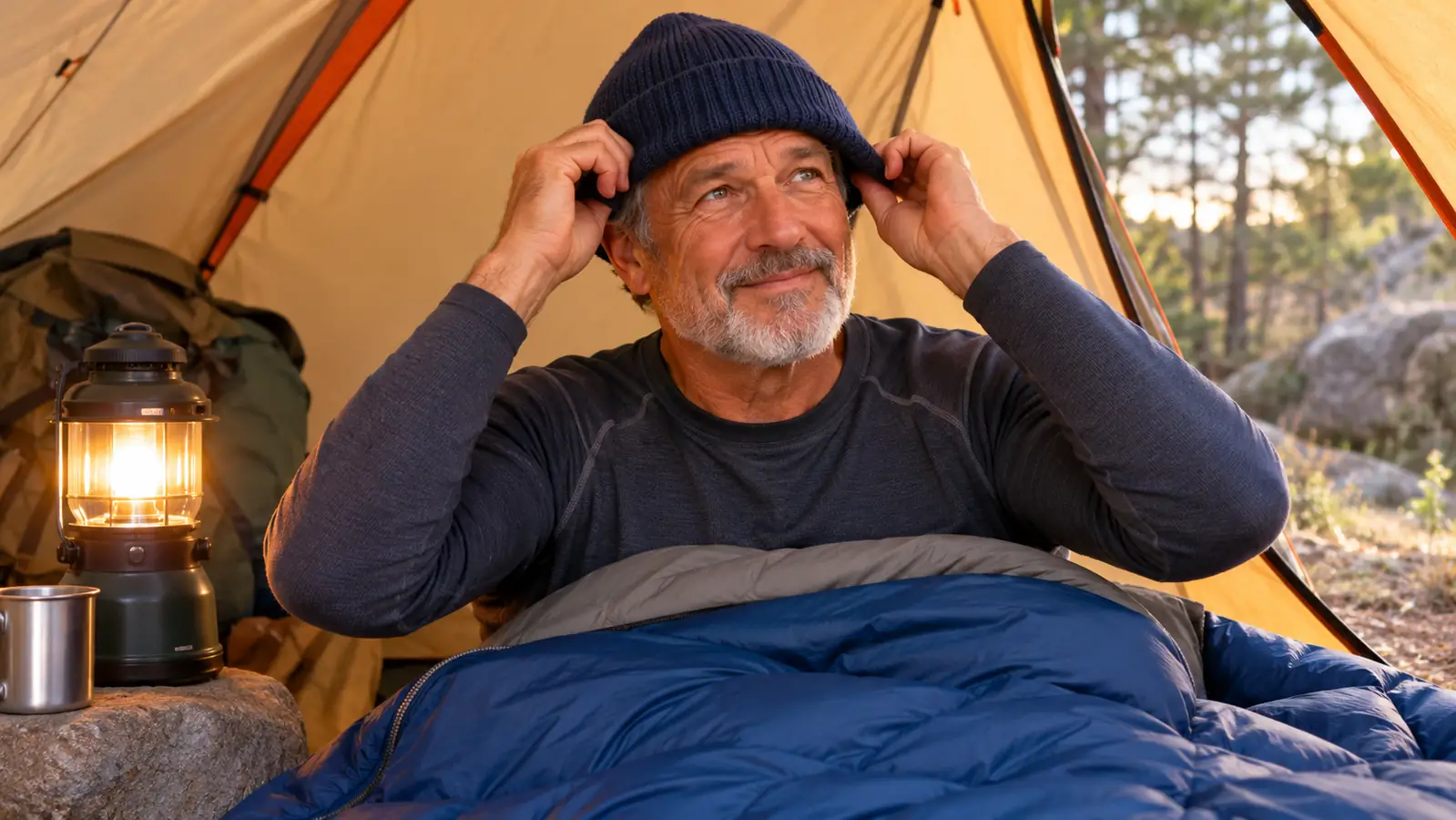
The routine is the same each time. Gear Doctors Oxylus pad underneath, base layers on, beanie on my head, the hood pulled in around my face. The coldest night I have had it out was roughly 28 degrees in the Uintas in late September. I was cool through the night but I was not cold, and I slept in stretches, which at 58 with a stiff back is about as good as it gets.
In the pack it weighs 2.9 pounds and goes into the compression sack it ships with. That is not a light bag by the standards of the forums, and I do not care. It is light enough that I notice the difference between it and the old rectangular bag it replaced, and I will take the bulk for the warmth. The pad, the bag, the filter and the poles together are what my back can carry now, and this bag is not the item I would cut.
The Moab trip is the one I remember. Spring, wind all night, temperature somewhere in the low 40s. I slept in a t-shirt with the bag open like a quilt and was comfortable, and the fine red dust that got into everything else wiped off the shell in the morning. That is not a heroic story. It is the kind of night most of us actually have.
What the 20F Rating Actually Means
TETON Sports labels this bag survival rated to plus 20F and comfort rated 20 to 30 degrees higher. That second number is the one to read. In plain terms it means the bag will keep you alive near 20 and keep you comfortable somewhere in the 40s, depending on how you sleep and what you wear. That is not a knock on TETON. It is how nearly every sleeping bag rating works, and TETON at least prints both numbers on the listing.
My own experience lines up. At 28 degrees with a base layer and a hat I was fine but not cozy, and I would not want to test it at 20. At 45 degrees in a t-shirt I am comfortable, and I usually have the zipper vented by two in the morning. If you buy this bag expecting to sleep warm in a hard frost in October, you will be disappointed, and you will join that minority in the reviews.
Two things matter as much as the bag itself. The pad underneath, because cold comes up through the ground, and what you put on your head. I keep my Sawyer filter in the foot of the bag on cold nights so it cannot freeze, which also tells you how much empty room there is down there.
There is also a hard truth about sleeping bags that nobody puts on a hangtag. A bag does not make heat. It traps the heat you make, and if you go to bed cold and hungry after a long day, no rating will save you. I eat something before bed and I put on dry socks. Those two habits have done more for my sleep than any piece of gear I have bought.
The Fit, and Who It Will Not Fit
The bag measures 87 inches long and 32 inches wide, and TETON lists a maximum height recommendation of 7 feet. I am 5 feet 11 inches and about 190 pounds, and I have room to spare. I can stuff tomorrow's clothes down by my feet and still not feel cramped. For a bigger man, or a man who hates feeling sealed in, this is the most underrated thing about the bag.
The flip side is dead air. If you are 5 foot 4, you are heating a foot of empty bag every night, and that is warmth you paid for and cannot use. A shorter person is better served by a shorter bag, and I would say that about any mummy bag, not just this one.
Width is where it gets personal. The 32 inches is the widest point, and it tapers from there. I am broad across the shoulders and I notice the taper when I roll onto my side. It is not tight enough to wake me, but a determined side sleeper who thrashes will feel the walls on both shoulders at once.
One more practical note for anyone over fifty. Getting out of a mummy bag at two in the morning to answer nature is a small act of gymnastics. The length helps here, because I can sit up and pull my knees in without fighting the walls, and the zipper runs far enough down that I am not doing a shuffle. It is not a rectangular bag for freedom of movement, and I will not pretend otherwise.
How It Has Held Up Over Four Seasons
The shell is ripstop polyester with a microfiber lining, and after four seasons of truck beds, tent floors and one gravel parking lot, there are no tears and no seam failures. There is a scuff on the outside near the foot from a zipper on my duffel. That is the whole damage report.
Synthetic fill does lose loft over time, and this one has. It is still even through the torso, but the hips are flatter than they were in 2023. I store it loose in a cotton sack in the hall closet and only use the compression sack on the trail, which is the single best thing you can do for a synthetic bag. Even so, four seasons is four seasons. I would guess I have a few more years in it before the hip area stops doing its job.
The zipper has a draft tube behind it and the draft tube does its job. The vaulted footbox is the detail I did not expect to care about. My toes are not pressed into a corner, and there is enough shape at the bottom that I can point my feet and still feel insulation around them instead of a cold spot where the fabric pulls tight.
I wash it once a season in a front-loading machine on cold with a mild detergent, then tumble it on low with a couple of clean tennis balls to break the fill back up. It has come out of every wash lofted a little better than it went in. If you leave a synthetic bag compressed in the sack all summer, you will shorten its life, and that is on you, not on TETON Sports.
How It Compares to the Bag It Replaced
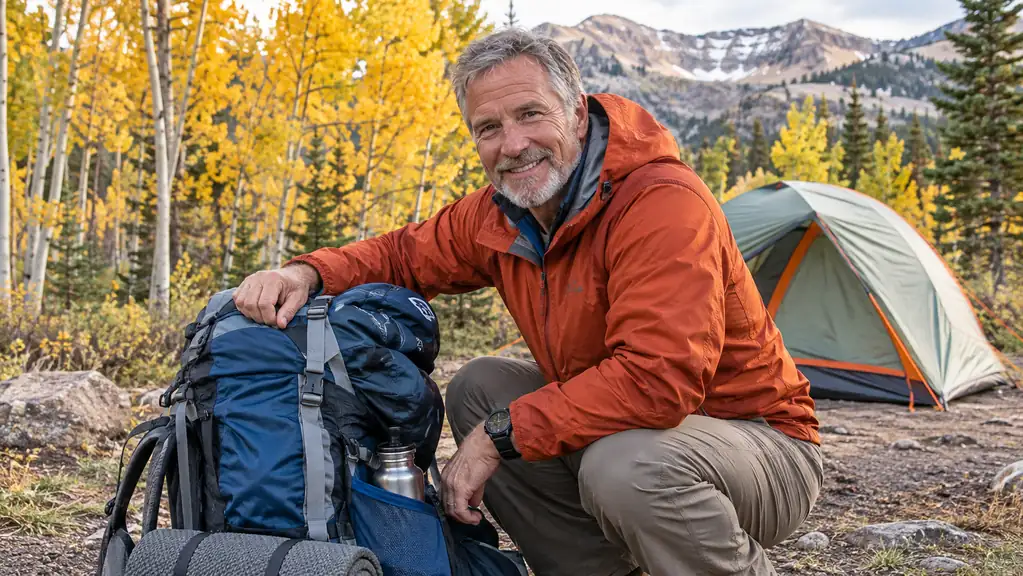
The bag this replaced was a rectangular bag that weighed about the same and slept twenty degrees colder. That is the honest comparison, and it is not close. The mummy cut alone made the difference, because there is far less space to heat and the hood actually closes around your head instead of leaving your neck against the tent wall all night.
The other comparison is Ray's down bag. Down is warmer for the weight and packs smaller, and I will not pretend otherwise. It is also the reason I once spent a November night worrying about condensation instead of sleeping. For the trips I take, a bag I can be careless with is worth more than a bag that saves me a pound and a half. That trade will not suit everyone, and I say so plainly.
On the coldest night I have had it out, about 28 degrees in the Uintas in late September, I was cool but I was not cold. That is the honest report, and it is not the same thing as the number on the tag.
The Parts That Bug Me
Bulk, not weight. Rolled and stuffed, this bag eats a third of my pack, and the compression sack it comes with is serviceable but not generous. On a two-night trip I do not care. If I were trying to fit five days of food into the same pack, I would care a great deal.
The second thing is the listing language. It says all seasons, and it is not an all-season bag for anyone camping above 6,000 feet in Utah. It is a three-season bag with a shoulder-season stretch if you wear layers and sleep on a decent pad. The wording is less a lie than a marketing habit, and it is the reason some of those low reviews exist.
Last one, and it is small. The hood pulls in well enough, but the fabric around the face opening is stiffer than the lining, and on a cold night I notice it against my cheek until I get it positioned right. Two adjustments and it is fine. It is the sort of thing you only learn after a few nights, and the sort of thing no review written in the first week will tell you.
What I Liked
- Roomy 87 inch mummy cut that fits taller and broader sleepers
- Synthetic fill that keeps working when the tent gets damp
- Vaulted footbox and hood that genuinely keep the ends warm
- Compression sack included, 2.9 pounds packed
- Four seasons of truck beds and tent floors with no seam damage
Where It Falls Short
- Comfort sits closer to the 40s than the 20 on the label
- Loses loft at the hips after about four seasons
- Bulky in a pack for anything past two nights
- All seasons wording oversells what it actually is
Who This Is For
You car camp, or you take one or two night trips, and you sleep on a pad that is worth something. You are average to tall, you are not chasing grams, and you would rather spend the money on a warm night than on a down bag you have to baby. You camp mostly between May and early October. You want a bag that survives being thrown in a truck bed and does not need to be aired out for a week afterward. The TETON Sports 20F is built for exactly that person, which is why mine keeps going out the door.
Who Should Skip It
If you sleep cold, if you camp in the snow, if you are much shorter than me, or if pack volume is your real constraint, this is not your bag. A cold sleeper wants a lower comfort rating or down. A short person will be heating empty space all night. A backpacker covering long miles will feel the bulk by mile eight. And anyone who reads plus 20F as a comfort number will be unhappy in October. None of that makes it a bad bag. It makes it the wrong bag for those people, and there is a difference.
Four seasons, still in the truck, still getting used
If your trips are two nights and your standard is a warm, dry sleep without paying down money, this one earns its place. Check today's price on Amazon.
Amazon Check Today's Price on Amazon →