
There are two ways to run out of water on a trip. The obvious one is drinking the last of it, feeling the bottle go light, and turning around early. The quieter one is drinking from a creek that looked clean, feeling fine for two days, and then spending the drive home from the Mirror Lake Highway stopping at every bathroom between Kamas and Ogden. The second one is worse, and it is the one that a filter actually prevents.
I carried iodine tablets for years because they were cheap and I did not have to think about them. What I did think about was the twenty minute wait, the taste, and the fact that they do nothing about silt. I switched to the Sawyer Mini in 2021. It has ridden in the top pocket of my pack for five seasons, it weighs 41 grams, and it has never once been the reason a trip went sideways. What follows is the way I actually use it, in the order I use it, including the parts that are not on the little instruction sheet.
Five seasons in my top pocket and it still does the one job I need
The Sawyer Mini weighs 41 grams, fits in the palm of your hand, and threads onto the included 16-ounce pouch, a standard disposable water bottle, or a hydration pack hose. It is the piece of gear I check before I check anything else.
Amazon Check Today's Price on Amazon →Five Steps, In Order
Step 1: Match the Filter to the Water You Will Actually Meet
The Mini uses a hollow fiber membrane rated at 0.1 micron absolute. In plain terms, that stops bacteria and protozoa, giardia and cryptosporidium included, and it stops microplastics. It does not stop viruses, and it does not stop dissolved chemicals, fertilizer runoff, or the tannin that turns a creek the color of weak tea. Knowing that up front saves you from expecting the wrong thing from a very small object.
In the Uintas I am happy to make that trade. High country water above the trailheads is cold, moving, and mostly free of the things a membrane cannot catch. Around Moab in spring, where a pothole might be holding runoff from a cattle lease, I am a lot more particular. Same filter, different amount of walking to find a source I trust. The gear does not change. The judgment does.
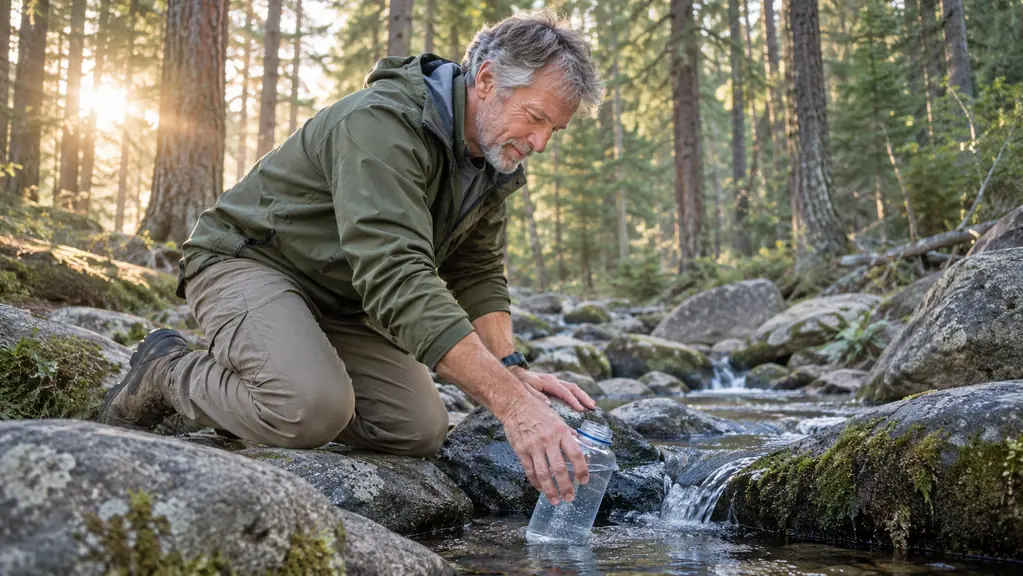
My practical rule is simple. Moving water above where people camp. Nothing that pools and warms in the sun. Nothing downstream of a beaver dam or a stock tank. If I would not let my mother's dog drink from it, I walk upstream until I change my mind. That rule has cost me ten minutes of walking and saved me two days of misery, and I will take that trade every time.
Step 2: Fill the Pouch Without Filling It With Silt
The box holds one Mini, a 16-ounce pouch, a drinking straw, and a cleaning plunger. The pouch is the part I use on every trip. Fill it by holding it just under the surface and letting the water push the air out, rather than jamming the mouth into the mud at the bottom of the pool. It sounds fussy. It takes three seconds and it saves you a backflush later.
Silt is the enemy of flow. The membrane will pass water through grit for a while, and then it slows down and you decide the filter is failing. It is usually not failing. It is packed. On dirty water, scoop from the surface, let the full pouch sit for a minute, and pour the top half into a second container before you run it through. That one habit is worth more than any accessory sold next to the filter.
Screw the filter on until it is snug. Snug means it stops turning under light pressure. It does not mean tighten it like a lug nut. The threads are the seal, and the pouch is thin plastic, and I have watched a friend split one at the seam by being thorough about it. Hand tight, then stop.
Step 3: Squeeze Into a Bottle You Can Close
I squeeze the pouch into a spare 1-liter bottle instead of drinking straight through the filter. Not because the straw does not work. Because drinking from the pouch means one mouthful at a time, and I want a full liter waiting at the top of a pass, not a slow sip on the side of the trail while the mosquitoes work on my neck.
The squeeze takes both hands. Roll the pouch from the bottom like a tube of toothpaste and keep steady pressure. Flow is fine when the filter is clean and slow at the end of a long trip. When it drops to a trickle, that is not a sign the trip is over. It is a sign you should have backflushed it after the last one, and it is a two minute fix at home.
Two bottles is the whole system. One for dirty water, one for clean, marked with a strip of tape so nobody has to guess at dusk. The filter threads are also sized to fit a standard disposable water bottle, which is the trick I fall back on when the pouch is the thing that finally wears out. It always is. The filter outlives it.
It weighs 41 grams and it is the least dramatic piece of gear I own. That is the entire point.
Step 4: Backflush It Before It Goes Back in the Truck
Backflushing means pushing clean water backward through the membrane. Fill the plunger with filtered or tap water, press it onto the outlet end of the filter, and push. The water comes out the dirty end carrying what it just loosened. Two or three pushes, or until what comes out runs clear instead of cloudy.
I do it in the sink after every trip, not once a season. It takes about ninety seconds. It is also the difference between a filter that lasts years and one that gets dropped in a drawer and forgotten because the flow got slow. The plunger came in the box. It is not an accessory, and it is not optional.
Then let it dry. Shake it out, stand it on end near the sink overnight, and put it away dry. A filter stored wet in a sealed bag for three months is a filter that smells like a pond when you open it in July. The rated capacity is 100,000 gallons, which is far more water than I will ever squeeze in a lifetime. That number describes the membrane, not a promise that the flow stays the same from season to season.
Step 5: Keep It From Freezing and Know When It Is Done
Freezing ruins hollow fiber. Water expands, the fibers crack, and the filter still passes water while no longer doing the thing you bought it for. On a late September night in the Uintas, with the forecast near 28 degrees, the filter goes into the sleeping bag with me. So does the pouch, because a frozen pouch cracks at the seam and then you are carrying a filter with nothing to put water in.
Two signs it is finished. One, backflushing no longer brings the flow back. Two, you cannot remember the last time you backflushed it and the water tastes like the creek it came from. Neither is worth arguing about. A filter is not the expensive part of a trip and it is not worth being sentimental about.
I still carry iodine tablets as a backup to the backup. Not because the Sawyer has failed me, but because a plan with one step is not a plan. On a trip where the filter freezes solid on night one, tablets are what gets you to the truck. They are the last resort, and mine have stayed sealed for three seasons.
Where People Get This Wrong
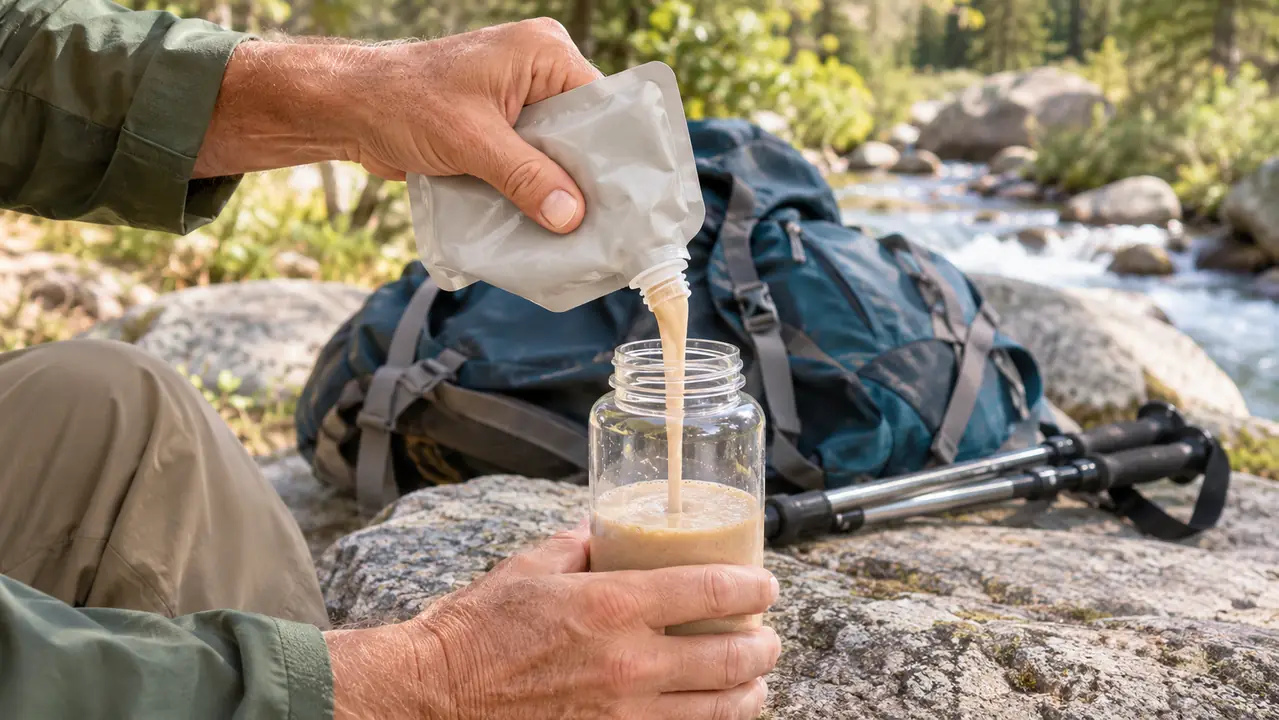
The most common mistake is treating the filter like a straw. I see it constantly. Someone stops at a creek, drinks from the pouch through the filter, fills the pouch, and repeats. Two hours later they have filtered maybe a pint and they are still thirsty. Squeeze into a bottle, then drink from the bottle. It is not a slower method, it is the faster one.
The second is buying the filter and never touching the plunger. If you never backflush, you will decide around trip three that the flow is bad and the product is overrated. The flow is bad because the membrane is packed with everything it stopped, and the tool that fixes it was sitting in the box the whole time.
The third is filtering water you should have walked away from. A filter is not permission to drink anything. Warm standing water, water below a camp, water with a smell to it. All three mean keep walking. A handheld filter removes organisms. It does not turn a bad source into a good one, and no amount of squeezing changes that.
How Much Water I Actually Carry
This matters more than the filter. In the Uintas in July I carry one liter and refill at sources I know. On the Wasatch above Ogden, where the trail is drier and the creeks thin out by August, I carry two. In the desert near Moab in spring I carry three and I do not negotiate with myself about it.
My back and my left knee have opinions about weight, and water is the heaviest thing in the pack. The trade I make is a filter that weighs 41 grams and a plan that assumes I will find water, rather than a pack that carries every drop for two days. That trade only works if you know where the water is before you leave the truck.
So I read the map the night before and I mark the sources, and I ask at the trailhead when the answer is not obvious. A ranger will tell you a creek is dry in ten seconds and save you an hour of walking to find out. The filter is the easy part of this. The planning is the part that keeps a short trip short.
What Else Helps
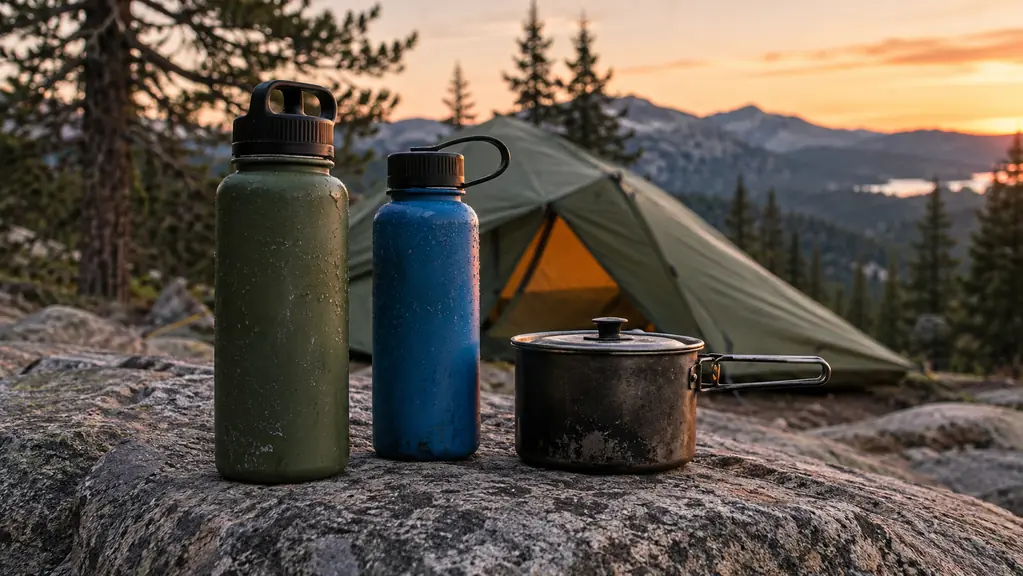
Carry two bottles and keep them separate. Marked dirty and marked clean removes the entire question of which is which at the end of a long day. I use a 1-liter bottle for clean water and the 16-ounce pouch for the scoop. If you hike with a hydration pack, the filter threads onto the hose, which means you can refill the bladder without dragging it out of the pack and wrestling it back in.
A bandana over the pouch mouth catches the big debris and costs nothing. Letting a full pouch sit for five minutes lets silt settle before you squeeze. And if you are filtering for two people, or filling bottles for the next morning, a gravity hang with a length of hose is much easier on your hands than squeezing pouch after pouch on a rock.
Fill your bottles at dinner, not at breakfast. Filtering in the morning means cold hands, a wet pouch, and a filter that spent the night in a freezing pack. Doing it in the evening with a hot meal waiting is a better trade, and it means you start the next day with water already in the bottle instead of a chore ahead of you.
One filter, two bottles, and no reason to think about water again
The Sawyer Mini has been in my pack since 2021 for a reason. It is small, it is boring, and it works. If you have been carrying tablets and telling yourself you will switch someday, this is the someday.
Amazon Check Today's Price on Amazon →